2109 McComas Way # 101, Virginia Beach, VA 23456, United States

757-427-0695

Logo
  • About
    • About Dr. Goyal
    • Meet Our Team
    • Specialty Program
    • FICOI certification
    • Smile Makeover
    • Our Weekly Vlogs
    • Blog
    • Careers
    • Our Commitment to Transparency
  • Services
    • Cosmetic Dentistry
      • Cosmetic Tooth Bonding
      • Dental Bridges
      • Dental Crowns
      • Dental Veneers
      • Invisalign
      • Clear Aligners
    • General Dentistry
      • Dental Cleaning And Exams
      • Digital X-Rays
      • Family Dentistry
      • Childrens Dentistry
      • Children Dental Cleanings
      • Endodontics
      • Sedation Dentistry
    • Dental Implants
    • Dentures
    • Pediatric Dentistry
    • Pediatric Dental Exams
    • Filtek Matrix
    • Bioclear
  • New Patients
  • Financing
    • Dental Insurance
    • CareCredit
    • Cherry
    • Sunbit
  • Healthy Smiles Plan
  • Contact
Book An Appointment
Pay NOW
  • Dental Bridges for Missing Teeth: A Reliable Way to Restore Your Smile

    Dental Bridges for Missing Teeth: A Reliable Way to Restore Your Smile

    Dental Bridges for Missing Teeth: Restore Your Smile and Functionality

    Missing teeth can affect not only your appearance but also your oral health and daily functionality. Dental bridges for missing teeth offer a reliable solution to fill gaps, restore proper chewing, and maintain the natural alignment of your teeth. Understanding the basics of dental bridges can help you make an informed decision about your tooth replacement options.

    What Are Dental Bridges?

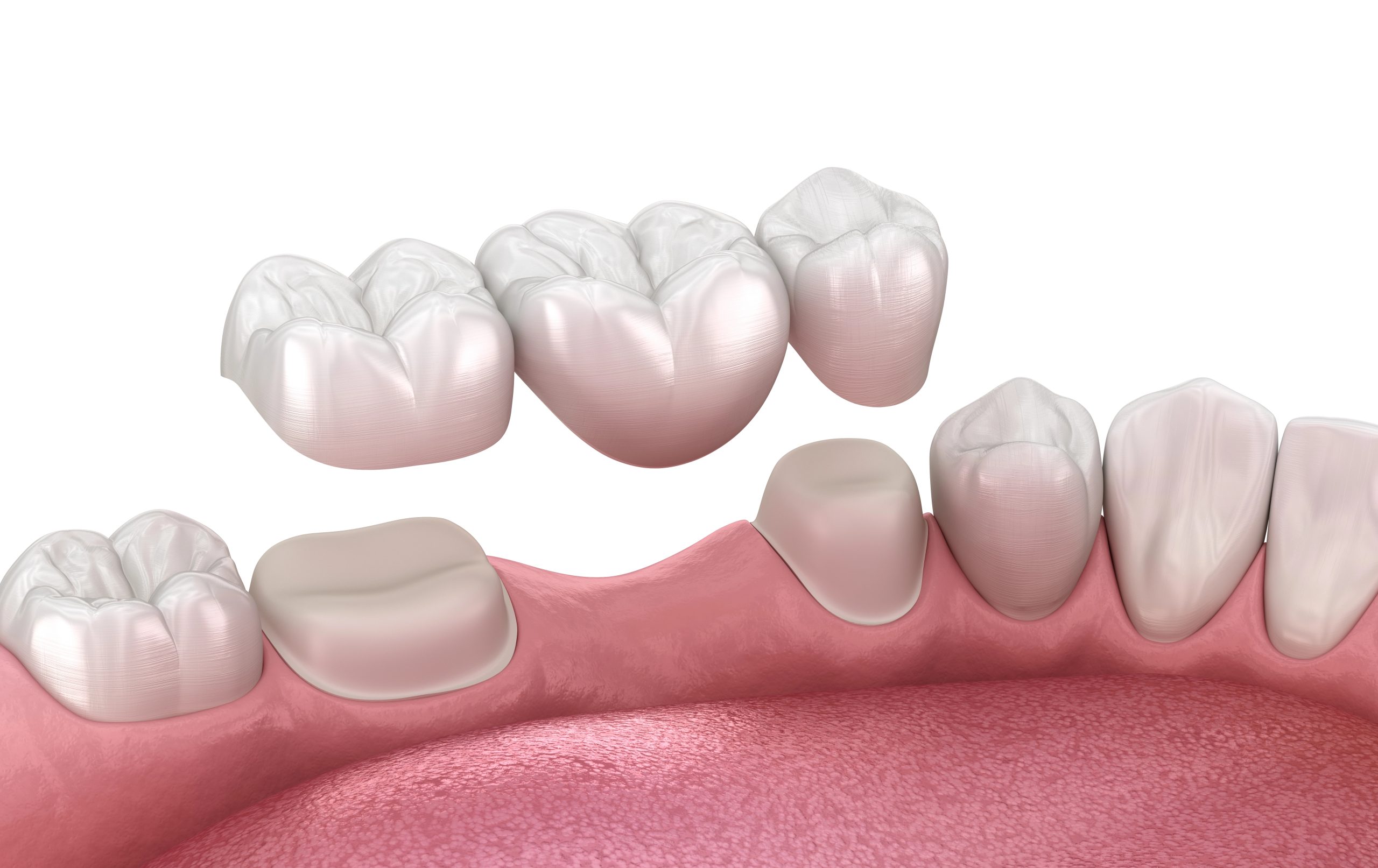
    Dental bridges are dental restorations designed to replace one or more missing teeth. They work by creating a “bridge” that spans the gap, anchored to the natural teeth or dental implants adjacent to the empty space. Bridges restore both the look and function of your teeth, allowing you to speak and chew normally while maintaining a natural-looking smile.

    The materials used for dental bridges—ranging from porcelain to ceramic—are carefully selected to blend seamlessly with your existing teeth. For those looking for cost-effective options, Affordable Dental Bridges Near Me: How to Find Cost-Effective Tooth Replacement provides additional insights into budget-friendly solutions.

    Types of Dental Bridges

    There are several types of dental bridges, each tailored to different needs:

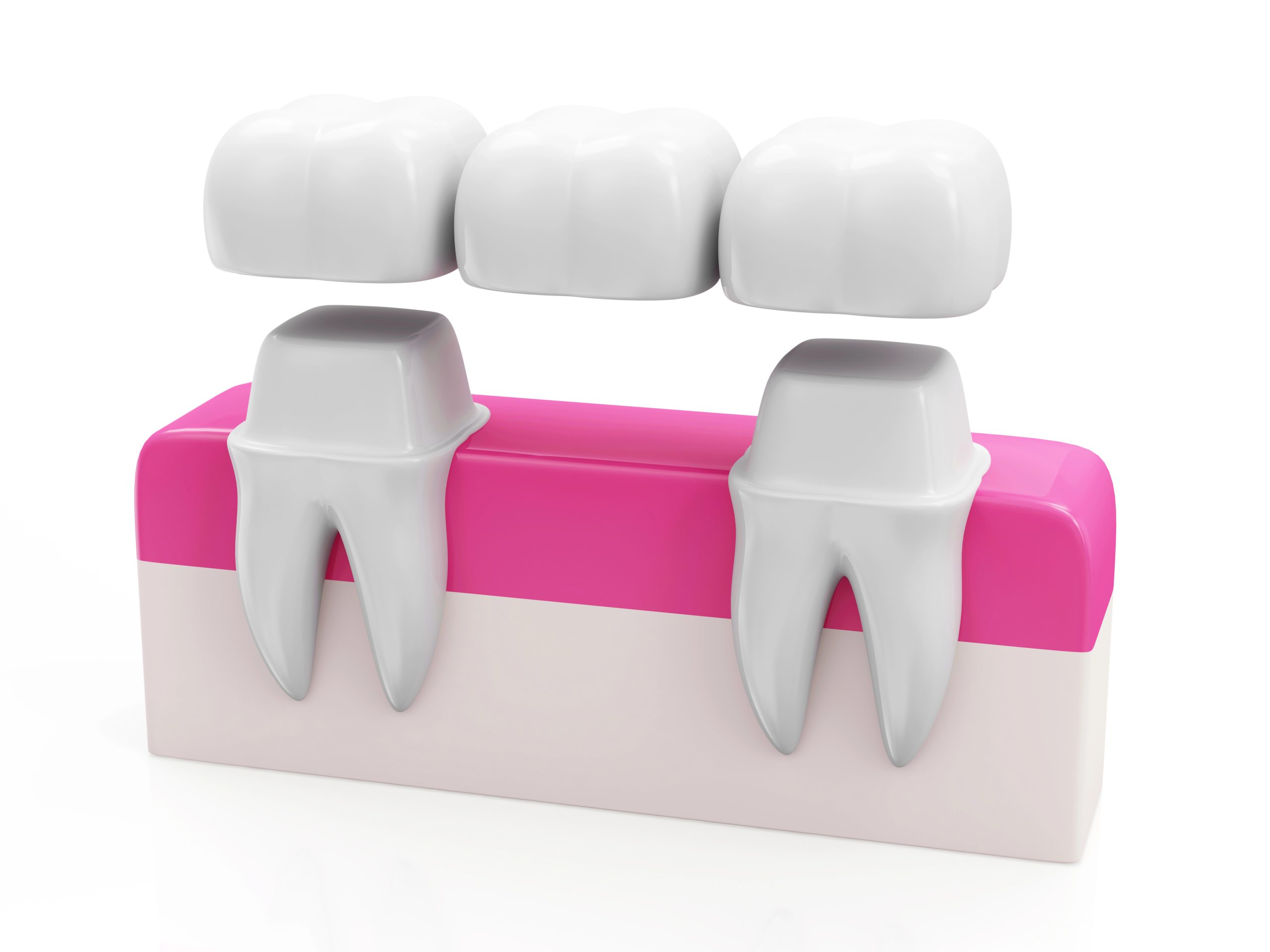
    • Traditional Bridges: The most common type, using crowns on either side of the missing tooth to support one or more artificial teeth (pontics).

    • Cantilever Bridges: Supported by a crown on only one side, ideal for areas with fewer adjacent teeth.

    • Maryland Bridges: Feature a metal or porcelain framework bonded to the back of neighboring teeth, offering a more conservative approach.

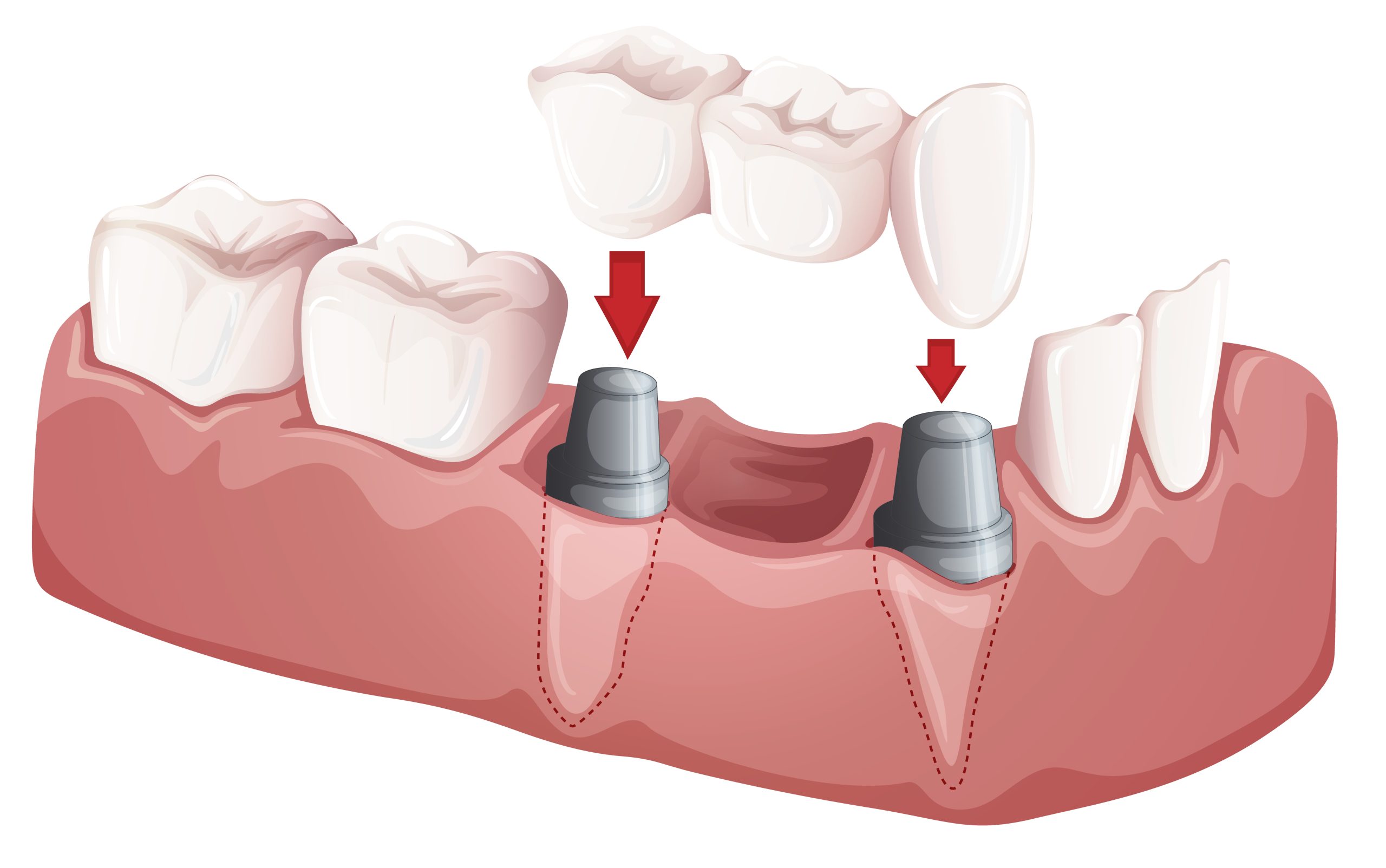
    • Implant-Supported Bridges: Anchored on dental implants instead of natural teeth, providing a stable solution, especially for multiple missing teeth in a row.

    For more details on the best options for your smile, visit Dental Bridges Virginia Beach.

    Benefits of Dental Bridges

    Dental bridges provide multiple benefits:

    • Restore the ability to chew and speak properly.

    • Maintain facial structure and prevent teeth from shifting.

    • Enhance your smile and boost self-confidence.

    • Provide a durable, long-lasting solution when properly cared for.

    Bridges are not only functional but also designed to maintain a natural and aesthetically pleasing appearance.

    Dental Bridges vs. Other Tooth Replacement Options

    Dental bridges differ from other options like dentures and implants:

    • Dentures: Removable and less stable than fixed bridges.

    • Dental Implants: Permanent but require a more invasive procedure and longer healing time.

    Bridges offer a quicker, less invasive way to restore missing teeth while maintaining stability and aesthetics. For expert guidance, consult Goyal Dentistry, your trusted Virginia Beach Dentist.

    How Dental Bridges Work

    Dental bridges fill the gaps left by missing teeth using pontics anchored to crowns on adjacent teeth or implants. This setup maintains tooth alignment, supports proper bite function, and prevents further oral complications.

    Common Myths About Dental Bridges

    Several misconceptions can create confusion:

    • Uncomfortable to wear: Modern bridges are designed for comfort.

    • Temporary solution: With proper care, bridges can last many years.

    • Damage adjacent teeth: Advanced techniques ensure bridges are safe and effective.

    Understanding the facts helps you make confident decisions about your oral health.

    Dental Bridges and Oral Health

    Bridges play a vital role in maintaining oral health by preventing teeth from shifting, reducing bite problems, and improving chewing efficiency and speech clarity. They help support overall oral hygiene while restoring your smile.

    Longevity of Dental Bridges

    With good oral care and regular dental check-ups, dental bridges typically last 5 to 15 years, making them a reliable long-term solution for missing teeth.

    Aesthetic Considerations

    Dental bridges are carefully designed to match your natural teeth in color, shape, and size. By restoring missing teeth, they maintain the natural contour of your face and ensure a balanced, attractive smile.

    Conclusion

    Dental bridges for missing teeth are a durable and effective solution to restore both function and aesthetics. To learn more or schedule a consultation, call 757-427-0695 or check out our Google Maps reviews.
    bionicwp

    August 26, 2025
  • Affordable Dental Bridges Near Me: How to Find Cost-Effective Tooth Replacement

    Affordable Dental Bridges Near Me: How to Find Cost-Effective Tooth Replacement

    Affordable dental bridges near me

    Understanding the different types of dental bridges is essential when considering affordable dental bridges near me. Dental bridges come in various forms, including traditional, cantilever, Maryland, and implant-supported bridges. Each type has its unique characteristics and benefits, which can influence the overall cost and suitability for individual needs. Traditional bridges are the most common, using crowns on either side of the gap, while cantilever bridges are used when there is only one adjacent tooth. Maryland bridges use a metal or porcelain framework bonded to the back of adjacent teeth, and implant-supported bridges are anchored by dental implants.

    When searching for affordable dental bridges near me, it’s important to be aware of these options to make an informed decision. The choice of bridge type can impact not only the cost but also the longevity and comfort of the dental solution. For those who may experience issues with their dental bridges, it’s crucial to know that Emergency Dental Bridges Repair: Fast Solutions to Restore Function and Comfort is available to address any urgent needs.

    Factors Influencing Bridge Costs

    The cost of dental bridges can vary significantly based on several factors. One of the primary considerations is the material used in the bridge construction, as different materials can affect both the durability and aesthetic appeal of the bridge. Additionally, the complexity of the dental work required, including the number of teeth involved and the condition of the surrounding teeth and gums, can also impact the overall cost. Geographic location plays a role as well, with prices differing from one region to another due to variations in local economic conditions and overhead costs.

    Another factor that influences the cost of dental bridges is the expertise and experience of the dental professional performing the procedure. Dentists with specialized training or extensive experience may charge higher fees for their services. Furthermore, the type of dental insurance coverage you have can affect out-of-pocket expenses, as some plans may cover a portion of the costs associated with dental bridges. For those seeking more information on affordable options, visiting a local provider like Virginia Beach Dental Bridges can offer insights into available treatments and pricing in your area.

    Comparing Local Dental Clinics

    When searching for affordable dental bridges near me, it’s essential to consider the various local dental clinics available in your area. Each clinic may offer different pricing structures, levels of expertise, and patient care experiences. By comparing these factors, you can gain a better understanding of which clinic aligns with your needs and budget. This approach allows you to make an informed decision about where to pursue your dental bridge treatment, ensuring that you receive quality care without compromising on affordability.

    Insurance Coverage for Bridges

    When searching for affordable dental bridges near me, understanding insurance coverage is crucial. Dental insurance plans often cover a portion of the cost for bridges, but the extent of coverage can vary significantly between providers. It’s important to review your policy details to determine what percentage of the procedure is covered and whether there are any limitations or waiting periods. Some plans may require a deductible or co-payment, impacting the overall expense. For those in Virginia Beach, Goyal Dentistry offers insights into navigating these insurance complexities, ensuring you make informed decisions about your dental health. Visit your local Virginia Beach Dentist for more information.

    Payment Plans and Financing Options

    When searching for affordable dental bridges near me, it’s important to consider the various payment plans and financing options available. Many dental practices offer flexible payment solutions that can help manage the cost of dental bridges, making them more accessible to those on a budget. By exploring these options, patients can find a financial arrangement that suits their needs, ensuring they receive the necessary dental care without undue financial strain.

    Importance of Dental Consultations

    When searching for “affordable dental bridges near me,” it’s crucial to understand the role of dental consultations in the process. These consultations provide an opportunity for a professional assessment of your oral health, ensuring that any tooth replacement solution is tailored to your specific needs. By discussing your options with a dental expert, you can gain insights into the most suitable and cost-effective treatments available, ultimately leading to a more informed decision about your dental care.

    Evaluating Bridge Material Choices

    When searching for affordable dental bridges near me, it’s essential to consider the various materials available for dental bridges. Different materials can impact the overall cost, durability, and appearance of the bridge. Common options include metal alloys, porcelain, and composite resins, each offering unique benefits and price points. Understanding these material choices can help you make an informed decision when seeking cost-effective tooth replacement solutions.

    Long-term Benefits of Bridges

    Affordable dental bridges near me offer numerous long-term benefits for individuals seeking tooth replacement solutions. These dental appliances not only restore the appearance of a complete smile but also help maintain the structure of the face by preventing the remaining teeth from shifting out of position. By filling the gaps left by missing teeth, dental bridges contribute to improved oral health and function, allowing for better chewing and speaking abilities. Additionally, they can enhance self-confidence and overall quality of life by providing a stable and durable solution that can last for many years with proper care.

    Maintaining Oral Health with Bridges

    Affordable dental bridges near me can play a crucial role in maintaining oral health by filling the gaps left by missing teeth, which helps prevent the shifting of remaining teeth and maintains proper alignment. This tooth replacement option supports the structure of your mouth, allowing for better chewing and speaking functions. Additionally, dental bridges can contribute to preserving the natural shape of your face and reducing the risk of bone loss in the jaw, ensuring a healthier oral environment.

    Conclusion

    Discovering affordable dental bridges near me is just a call away; dial 757-427-0695 or check out the reviews on Google Maps to learn more.

    bionicwp

    August 26, 2025
  • Emergency Dental Bridges Repair: Fast Solutions to Restore Function and Comfort

    Emergency Dental Bridges Repair: Fast Solutions to Restore Function and Comfort

    Emergency Dental Bridges Repair

    Knowing how to respond to a dental bridge emergency is essential for protecting your oral health and comfort. A dental bridge may become damaged or loosened due to trauma, everyday wear, or underlying dental concerns. When this happens, it can cause discomfort, make chewing difficult, and potentially impact the surrounding teeth and gums. Recognizing early warning signs and getting timely professional care can help restore your smile’s function and prevent further complications.

    In many cases, seeking emergency dental bridges repair promptly helps stop additional damage. A cracked or detached bridge can leave sensitive tissues exposed, which may result in pain or infection. Immediate dental attention not only preserves oral health but also ensures that your smile continues to look its best. To learn more about how bridges can transform your smile, visit our page on Dental Bridges for Front Teeth: Seamless Results for a Natural Look.

    Common Causes Of Bridge Damage

    Several factors can lead to the need for emergency dental bridges repair. Physical trauma—such as an accident or sports injury—can cause cracks, chips, or complete dislodgement of a bridge. Poor oral hygiene can also weaken the supporting teeth or gums, causing the bridge to loosen over time.

    Additionally, normal wear and tear play a major role. Constant pressure from chewing hard foods or grinding teeth (bruxism) can eventually cause fractures or breaks. Changes in gum or bone structure due to decay or periodontal disease may also impact how well a bridge fits. If you notice any of these problems, it’s best to seek professional care quickly. For guidance on maintaining your bridges, visit Get Dental Bridges in Virginia Beach.

    Signs Of A Damaged Bridge

    Spotting the signs of bridge damage early can help prevent bigger issues later. Warning indicators include discomfort around the bridge area, movement or looseness when chewing, or visible cracks and chips. A shift in bite alignment or new difficulty chewing are also signs that your bridge may need urgent evaluation. Seeking prompt care ensures function and comfort are restored efficiently.

    Temporary Solutions For Bridge Issues

    When faced with an emergency dental bridges repair situation, managing discomfort quickly is key. Temporary fixes—such as avoiding hard foods and keeping the area clean—can help until you reach a dentist. These short-term measures reduce irritation and protect the area from further harm. For expert care and lasting solutions, contact Goyal Dentistry, a trusted Virginia Beach Dentist, offering complete restorative dental services.

    Importance Of Professional Assessment

    Professional evaluation is vital for accurate diagnosis and proper treatment. A skilled dentist can determine the extent of the damage and recommend the most suitable repair option. Without a detailed assessment, hidden problems may be overlooked, leading to further complications. A comprehensive professional approach ensures your dental bridge is restored effectively, both functionally and aesthetically.

    Potential Risks Of Ignoring Damage

    Neglecting a damaged bridge can trigger a series of oral health issues. Misalignment, difficulty chewing, and uneven pressure on other teeth can occur, potentially harming surrounding gums and enamel. Additionally, spaces created by broken bridges can harbor bacteria, increasing the risk of cavities and gum disease. Over time, untreated bridge damage can lead to infections and the need for more complex dental treatments.

    Materials Used In Bridge Repairs

    During emergency dental bridges repair, dentists use specialized materials to ensure strength, durability, and a natural look. Common materials include composite resins, dental cements, and porcelain, chosen for their ability to bond securely and match surrounding teeth. Selecting the right material ensures that the repaired bridge maintains its functionality and appearance for years to come.

    Steps In Professional Bridge Repair

    Repairing a dental bridge involves a few precise steps. The dentist begins with a full examination and cleaning of the affected area. Depending on the extent of the issue, the bridge may be reshaped, re-bonded, or partially rebuilt using restorative materials. After the repair, adjustments are made to ensure a proper fit and comfortable bite. The final step involves polishing and checking alignment to achieve a seamless, natural appearance.

    Recovery After Bridge Repair

    Following emergency dental bridges repair, patients may experience mild sensitivity as the mouth adapts. This adjustment period allows for healing and stabilization of the repaired structure. Maintaining good oral hygiene and avoiding hard or sticky foods supports a smooth recovery. With proper aftercare, the restored bridge will continue to function effectively and enhance your smile’s appearance.

    Conclusion

    For immediate assistance with emergency dental bridges repair, call 757-427-0695 or visit our Google Maps page to read reviews.

    bionicwp

    August 26, 2025
  • Dental Bridges for Front Teeth: Seamless Results for a Natural Look

    Dental Bridges for Front Teeth: Seamless Results for a Natural Look

    Dental Bridges for Front Teeth: Restoring Function and Aesthetics

    Missing front teeth can impact both the appearance of your smile and your ability to speak or chew properly. Dental bridges for front teeth offer a reliable solution, designed to restore functionality while providing a natural, seamless look. Understanding the types, materials, and process can help you make an informed decision about your dental care.

    For alternatives, explore Dental Bridges Without Crowns: When It’s Possible and What to Know.

    Types of Dental Bridges for Front Teeth

    There are several types of dental bridges tailored to front teeth restorations:

    • Traditional Bridges: Involve creating crowns for the teeth adjacent to the missing tooth, with a pontic in between.

    • Cantilever Bridges: Used when there is only one supporting tooth next to the gap.

    • Maryland Bonded Bridges: Feature a metal or porcelain framework bonded to the back of neighboring teeth for a minimally invasive approach.

    • Implant-Supported Bridges: Anchored directly into the jawbone, offering stability for multiple missing teeth in a row.

    Each type provides unique benefits, depending on oral health, the number of missing teeth, and aesthetic considerations.

    Benefits of Front Teeth Bridges

    Dental bridges for front teeth offer:

    • A natural, seamless appearance that blends with existing teeth.

    • Restoration of proper facial structure and prevention of teeth shifting.

    • Improved ability to speak and chew effectively.

    • Enhanced confidence and a complete, aesthetically pleasing smile.

    These bridges restore both functionality and beauty, making them a popular choice for anterior teeth restorations.

    Materials Used in Front Teeth Bridges

    Dental bridges are crafted from materials designed for durability and aesthetics:

    • Porcelain and Ceramic: Mimic the color, translucency, and texture of natural teeth.

    • Metal Alloys: Provide strength, often used as internal frameworks for support.

    The right combination ensures a durable restoration that integrates naturally with your smile.

    The Dental Bridge Procedure

    The process for front teeth bridges typically involves:

    1. Evaluating your oral health and assessing the gap.

    2. Preparing adjacent teeth if needed, including minor reshaping.

    3. Taking impressions to create a custom-fit bridge.

    4. Placing and adjusting the bridge for comfort, bite, and aesthetics.

    For expert care in Virginia Beach, Goyal Dentistry offers personalized solutions to restore your smile seamlessly.

    Longevity of Dental Bridges

    With proper care, dental bridges for front teeth are durable and long-lasting. Factors affecting lifespan include material choice, oral hygiene practices, and regular dental visits. Typically, these bridges can provide many years of reliable function and aesthetic appeal.

    Caring for Dental Bridges

    Maintaining your dental bridge is essential:

    • Brush and floss daily to prevent plaque buildup around the bridge.

    • Attend routine dental check-ups for monitoring and professional cleaning.

    • Avoid habits that could damage the bridge, such as chewing hard objects.

    Proper care ensures long-term durability and a natural-looking smile.

    Comparing Bridges and Implants

    Both options restore missing front teeth, but they differ in approach:

    • Bridges: Use adjacent teeth for support, offering a quick and aesthetic solution.

    • Implants: Require a titanium post in the jawbone, providing a permanent, self-supporting replacement.

    The best choice depends on oral health, bone structure, budget, and personal preference.

    Cost Factors

    The cost of dental bridges for front teeth depends on:

    • Material selection (porcelain, ceramic, or metal alloy).

    • Procedure complexity and the number of teeth replaced.

    • Dentist expertise and geographic location.

    While bridges can be a significant investment, they offer a natural, durable, and aesthetically pleasing solution.

    Aesthetic Considerations

    For front teeth, achieving a natural look is critical. Dentists carefully match:

    • Color and translucency of the bridge to surrounding teeth.

    • Shape and size to complement facial features.

    Attention to these details ensures your bridge is virtually indistinguishable from natural teeth.

    Conclusion

    Dental bridges for front teeth provide a reliable, aesthetic, and functional solution for missing teeth. To learn more or schedule a consultation, call 757-427-0695 or check our Google reviews.

    bionicwp

    August 26, 2025
  • Dental Bridges Without Crowns: When It’s Possible and What to Know

    Dental Bridges Without Crowns: When It’s Possible and What to Know

    Dental Bridges Without Crowns: A Conservative Solution for Missing Teeth

    Dental bridges are a reliable way to replace missing teeth, but not every restoration requires crowns on adjacent teeth. Dental bridges without crowns provide a conservative approach, anchoring a false tooth directly to neighboring teeth or implants while preserving more of your natural tooth structure. This option can be ideal when the surrounding teeth are healthy and don’t need additional coverage.

    For a comparison of different tooth replacement options, explore Dental Bridges vs Implants: Choosing the Right Solution for Your Needs.

    Types of Dental Bridges Without Crowns

    Dental bridges without crowns are versatile and tailored to individual dental needs:

    • Cantilever Bridges: Supported by a single adjacent tooth, suitable for areas with limited support.

    • Maryland Bridges: Feature a metal or porcelain framework bonded to the back of neighboring teeth, offering a minimally invasive option.

    Each type is selected based on factors such as the location of the missing tooth, the health of surrounding teeth, and overall oral condition. Learn more about Dental Bridge Services in Virginia Beach for guidance on the right solution.

    Benefits of Dental Bridges Without Crowns

    This approach offers several advantages:

    • Fills gaps left by missing teeth, restoring a complete smile.

    • Maintains the natural shape of the face and prevents teeth from shifting.

    • Enhances chewing efficiency and speech clarity.

    • Provides a durable and aesthetically pleasing restoration while preserving healthy teeth.

    By restoring function and appearance, these bridges can significantly boost confidence and improve oral health.

    Materials Used for Dental Bridges

    Dental bridges without crowns can be made from:

    • Porcelain: Offers a natural tooth-like appearance.

    • Ceramic: Highly durable and aesthetic.

    • Metal Alloys: Strong and long-lasting, often used in less visible areas.

    Choosing the right material affects both durability and appearance, making it an important consideration. For personalized recommendations, visit Goyal Dentistry, your trusted Virginia Beach Dentist.

    Procedure Overview

    The procedure for bridges without crowns typically involves:

    1. Evaluating your oral health and the surrounding teeth.

    2. Anchoring the bridge to adjacent teeth or implants.

    3. Ensuring proper fit, bite alignment, and aesthetics.

    This approach preserves natural tooth structure while restoring functionality and appearance for a comfortable and lasting solution.

    Bridges vs Traditional Crowns

    Unlike traditional bridges that require crowns on adjacent teeth, bridges without crowns offer a conservative alternative:

    • Preserve more of your natural teeth.

    • Reduce the amount of dental work needed.

    • Maintain oral function and aesthetics.

    Both options aim to restore your smile, but bridges without crowns are ideal for patients seeking minimal intervention.

    Potential Risks and Considerations

    While bridges without crowns are effective, some potential risks include:

    • Improper fit causing discomfort or difficulty chewing.

    • Increased stress on supporting teeth over time.

    • Possibility of the bridge becoming loose or dislodged.

    Consulting with a skilled dentist ensures proper planning and minimizes complications.

    Maintenance Tips

    Proper care is crucial for the longevity of bridges without crowns:

    • Brush and floss daily to prevent plaque buildup.

    • Maintain regular dental check-ups to monitor the bridge’s condition.

    • Follow your dentist’s guidance for cleaning around the bridge and supporting teeth.

    Consistent oral hygiene preserves both the bridge and surrounding teeth for long-term success.

    Cost Considerations

    The cost of dental bridges without crowns varies based on:

    • Material selection.

    • Complexity of the procedure.

    • Location of the dental practice.

    While this option may differ in cost from traditional bridges, understanding the overall investment helps in planning your dental care.

    Conclusion

    Dental bridges without crowns offer a conservative, effective, and aesthetically pleasing solution for missing teeth. To learn more or schedule a consultation, call 757-427-0695 or check our Google Maps reviews.

    bionicwp

    August 26, 2025
  • Dental Bridges vs Implants: Choosing the Right Solution for Your Needs

    Dental Bridges vs Implants: Choosing the Right Solution for Your Needs

    Replacing missing teeth is essential for maintaining oral health, chewing ability, and the appearance of your smile. Two popular options are dental bridges and dental implants. Understanding the differences between them can help you make an informed decision that suits your needs, lifestyle, and budget.

    Understanding Dental Bridges

    Dental bridges are a traditional method for replacing one or more missing teeth. They consist of artificial teeth, called pontics, anchored in place by crowns on the adjacent natural teeth. Bridges restore the appearance and functionality of your smile, allowing you to chew and speak more comfortably.

    Bridges are often recommended when surrounding teeth are healthy enough to support the restoration. For a more detailed guide, explore Dental Bridges for Missing Teeth: A Reliable Way to Restore Your Smile. Bridges provide a dependable solution to regain confidence and improve oral function.

    Understanding Dental Implants

    Dental implants offer a modern approach to tooth replacement. A small titanium post is surgically inserted into the jawbone, acting as a root for the replacement tooth. Over time, the jawbone fuses with the implant, creating a strong, permanent foundation.

    Unlike bridges, implants do not rely on adjacent teeth, preserving the health of neighboring teeth and maintaining jawbone integrity. Implants are designed to look, feel, and function like natural teeth, offering a long-term solution for missing teeth. For more options, check out Virginia Beach Dental Bridge Solutions.

    Cost Comparison

    Cost often plays a role in deciding between dental bridges vs implants.

    • Dental Bridges: Lower initial cost, making them more budget-friendly upfront.

    • Dental Implants: Higher initial cost but greater durability and longevity, potentially reducing future dental expenses.

    Considering both short-term costs and long-term value is essential when choosing the best solution for your smile.

    Procedure Overview

    • Dental Bridges: Involve preparing adjacent teeth for crowns and placing pontics to fill the gap. Usually requires multiple dental visits.

    • Dental Implants: Require surgical placement of a titanium post into the jawbone, followed by a healing period for integration before the crown is attached.

    For more detailed information about these procedures, visit Goyal Dentistry, your trusted Virginia Beach Dentist.

    Longevity and Durability

    • Bridges: Typically last 5 to 15 years, depending on oral hygiene and wear.

    • Implants: Can last decades with proper care, thanks to their integration with the jawbone and durable materials like titanium.

    The structural differences influence the overall lifespan and resilience of each restoration.

    Aesthetic Considerations

    Both options aim to restore your smile’s natural appearance:

    • Bridges: Blend seamlessly with surrounding teeth.

    • Implants: Offer a permanent solution that mimics natural tooth appearance and function.

    Your preference for aesthetics and the integration with your natural teeth may guide your choice.

    Oral Health Impact

    • Bridges: Depend on adjacent teeth for support, which may affect neighboring teeth over time.

    • Implants: Anchor directly into the jawbone, helping maintain bone density and prevent further oral health issues.

    Both options support oral health, but in different ways, making it essential to consider your long-term dental needs.

    Maintenance Requirements

    Proper care is key for both solutions:

    • Bridges: Require careful cleaning around supporting teeth to prevent plaque buildup.

    • Implants: Need attention to gum health and routine check-ups to avoid complications.

    Regular dental visits and consistent oral hygiene ensure longevity and optimal function.

    Suitability for Different Conditions

    • Bridges: Ideal when neighboring teeth are healthy enough to support the restoration.

    • Implants: Require sufficient jawbone density for successful integration.

    Your dentist can help determine the most suitable option based on oral health, bone structure, and personal goals.

    Conclusion

    Deciding between dental bridges vs implants depends on your oral health, lifestyle, and long-term goals. Both solutions restore functionality, appearance, and confidence.

    For personalized advice or to schedule a consultation, call 757-427-0695 or check our Google Maps reviews.

    bionicwp

    August 26, 2025

Goyal Dentistry

Proudly making smiles brighter in the Virginia area.

Book An Appointment

Contact

2109 McComas Way # 101, Virginia Beach, VA 23456, United States

757-427-0695

Services

  • Bioclear

  • Children Dental Cleanings

  • Childrens Dentistry

  • Clear Aligners

  • Cosmetic Dentistry

  • Cosmetic Tooth Bonding

  • Dental Bridges

  • Dental Cleaning And Exams

Hours

Monday: 8 AM-5  PM
Tuesday: 8 AM-5  PM
Wednesday: 8 AM-5  PM
Thursday: 8 AM-5  PM
Friday: 8 AM-5  PM
Saturday: Closed
Sunday: Closed

© 2026 Goyal Dentistry. Privacy Policy