Introduction
Your mouth is the gateway to your body, but did you know that oral health is closely linked to diabetes management? Individuals with Type 1 and Type 2 diabetes already juggle multiple health concerns, but maintaining good oral hygiene should be a top priority. Research has shown that diabetes increases the risk of gum disease, which in turn can impact blood sugar levels. In this blog, we’ll explore the relationship between diabetes and oral health, key warning signs to watch for, and practical steps to keep your mouth healthy.
The Connection Between Diabetes and Oral Health
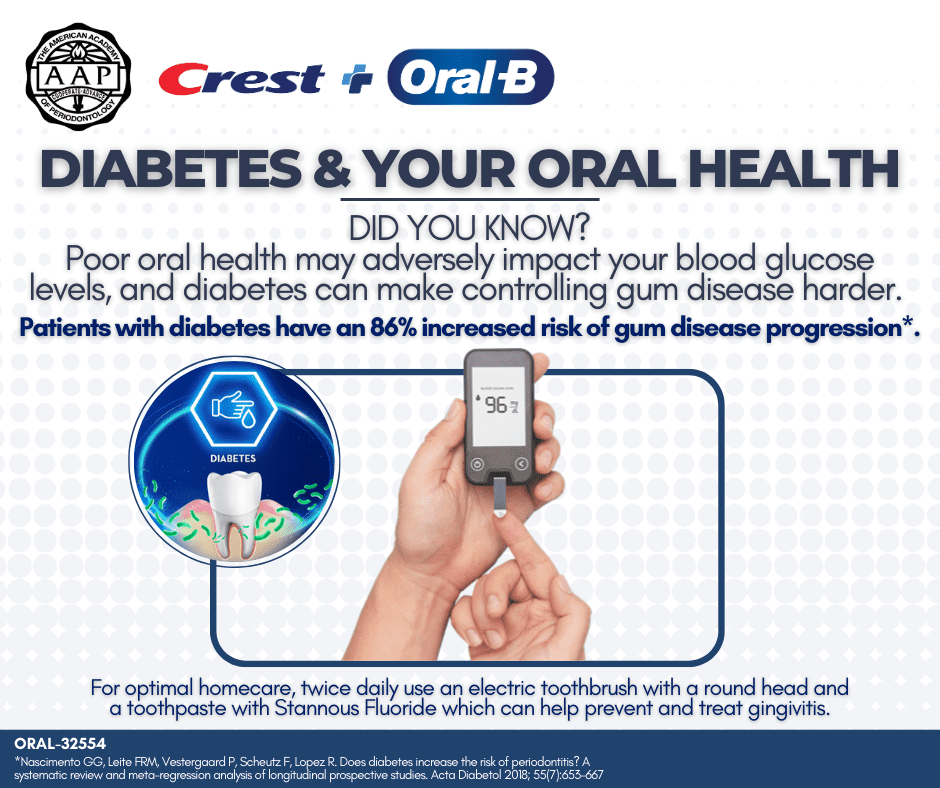
People with diabetes have an 86% higher risk of developing gum disease (periodontal disease) compared to those without diabetes. The severity of gum disease is directly linked to blood sugar control, with high hemoglobin A1C levels (over 7.0) increasing the risk of periodontal destruction.
Gum disease starts with gingivitis (inflammation of the gums), which, if left untreated, can progress to periodontitis—a more severe infection that can lead to tooth loss. But the connection between diabetes and oral health goes both ways:
- Diabetics are more prone to gum disease due to high blood sugar, which feeds harmful bacteria in the mouth.
- Gum disease can worsen diabetes by increasing insulin resistance, making blood sugar levels harder to control.
Factors That Increase Insulin Resistance in Diabetics
Several factors can contribute to insulin resistance, making diabetes management more challenging:
✅ Acute bacterial or viral infections
✅ Chronic low-grade inflammation
✅ Periodontal bacteria
The Consequences of Insulin Resistance
Insulin resistance can lead to:
- Increased insulin production
- Increased hunger
- Higher blood pressure and weight gain
- Overall increased diabetes risk
Warning Signs of Gum Disease for Diabetics
Because diabetics are at higher risk for periodontal disease, early detection is key. Here are the main symptoms to watch out for:
Gingivitis Symptoms:
🦷 Red, swollen, or tender gums
🦷 Bleeding gums when brushing or flossing
🦷 Persistent bad breath
Periodontitis Symptoms:
⚠️ Receding gums
⚠️ Loose teeth
⚠️ Tooth sensitivity
⚠️ Pain while chewing
⚠️ Slow healing of wounds after dental treatments
How to Protect Your Oral Health as a Diabetic
Managing diabetes means taking care of your oral health, too. Here are some essential steps to keep your gums and teeth healthy:
1️⃣ Brush Properly – Use an electric toothbrush like the Oral-B® iO, which removes 100% more plaque than a manual brush.
2️⃣ Use an Antibacterial Mouth Rinse – A mouth rinse with Cetylpyridinium Chloride (CPC) can help kill germs that cause gingivitis.
3️⃣ Floss Daily – Plaque accumulates between teeth, so use Oral-B® Glide floss to prevent gum inflammation.
4️⃣ Choose the Right Toothpaste – Crest® Stannous Fluoride Toothpaste can help reduce gum bleeding by up to 51%.
5️⃣ Regular Dental Check-Ups – Visit your dentist regularly for early detection and prevention of gum disease.
Conclusion
If you have diabetes, your oral health should be an essential part of your care routine. Gum disease doesn’t just affect your mouth—it can impact your overall diabetes management. By maintaining proper oral hygiene and seeing your dentist regularly, you can reduce the risk of complications and keep both your smile and your blood sugar levels in check.
Take control of your health—start with your mouth!